Laundry extraction ductwork cleaning
Cleaning of dryer exhaust ductwork to remove lint and restore airflow along the whole run.
Professional laundry extraction ductwork cleaning, tumble dryer duct cleaning and commercial laundry duct cleaning for hotels, care homes, laundries and leisure sites across the UK. Remove flammable lint, improve dryer performance and get a clear written report.
Every dryer cycle sends warm, lint-laden air into the extraction ductwork. Over time, lint and fine fibres settle inside the ducts, fans and terminations. Lint is flammable, and a heavily loaded duct is both a fire risk and a drain on dryer performance.
Extract Assure provides professional laundry extraction ductwork cleaning across the UK. We inspect, clean and test your system, then give you a clear written report. For the wider building, pair it with commercial AHU and duct cleaning and fire damper inspection. Call us or request an online quote.
Laundry extraction ductwork cleaning is the professional inspection, cleaning and testing of the exhaust ducts, fans and terminations that serve tumble dryers, removing flammable lint and debris to reduce fire risk and restore airflow.
Tell us about your premises, roughly how many dryers and duct runs you have and when the ductwork was last cleaned. Our team will come back with clear advice on the next step.
Prefer to talk? Call 02475103197 or email sales@extractassure.co.uk
Lint builds up slowly, so problems are easy to miss until performance drops or something goes wrong. These are the most common warning signs.
Clean ductwork protects your people and premises, and helps your dryers do their job.
Removing lint takes away the fuel that lets a laundry or duct fire start and spread.
Clear ducts let hot, moist air leave quickly, so loads dry faster.
Shorter drying times use less energy and reduce wear on equipment.
Dryers and fans last longer when they are not running against blocked ducts.
Better extraction means less heat, humidity and lint in the working area.
Reports and photographs show what was done and the condition of your system.
A clear, structured process from your first call to a written report you can act on.
We discuss your premises, the number of dryers and duct runs, access and operating hours, then agree the scope and timing that suit your business.
We locate the dryers, duct runs, fans and termination points that make up your laundry extraction system.
We inspect the ductwork for lint build-up, blockages, damage and loose joints, and photograph its condition before cleaning starts.
We safely isolate the dryers and fans being worked on and protect surrounding areas from lint and dust.
We remove lint and debris from the inside of the ductwork using suitable agitation and extraction.
We clean accessible fans, access points and external terminations, where lint tends to collect.
We carry out post-clean checks, including visual inspection and, where appropriate, an airflow check, and make sure access panels are closed and sealed.
You receive a written report with before and after photographs, inspection and test results, notes on anything we could not reach and advice on how often to clean.
Specialist cleaning for every part of your dryer extraction system.
Cleaning of dryer exhaust ductwork to remove lint and restore airflow along the whole run.
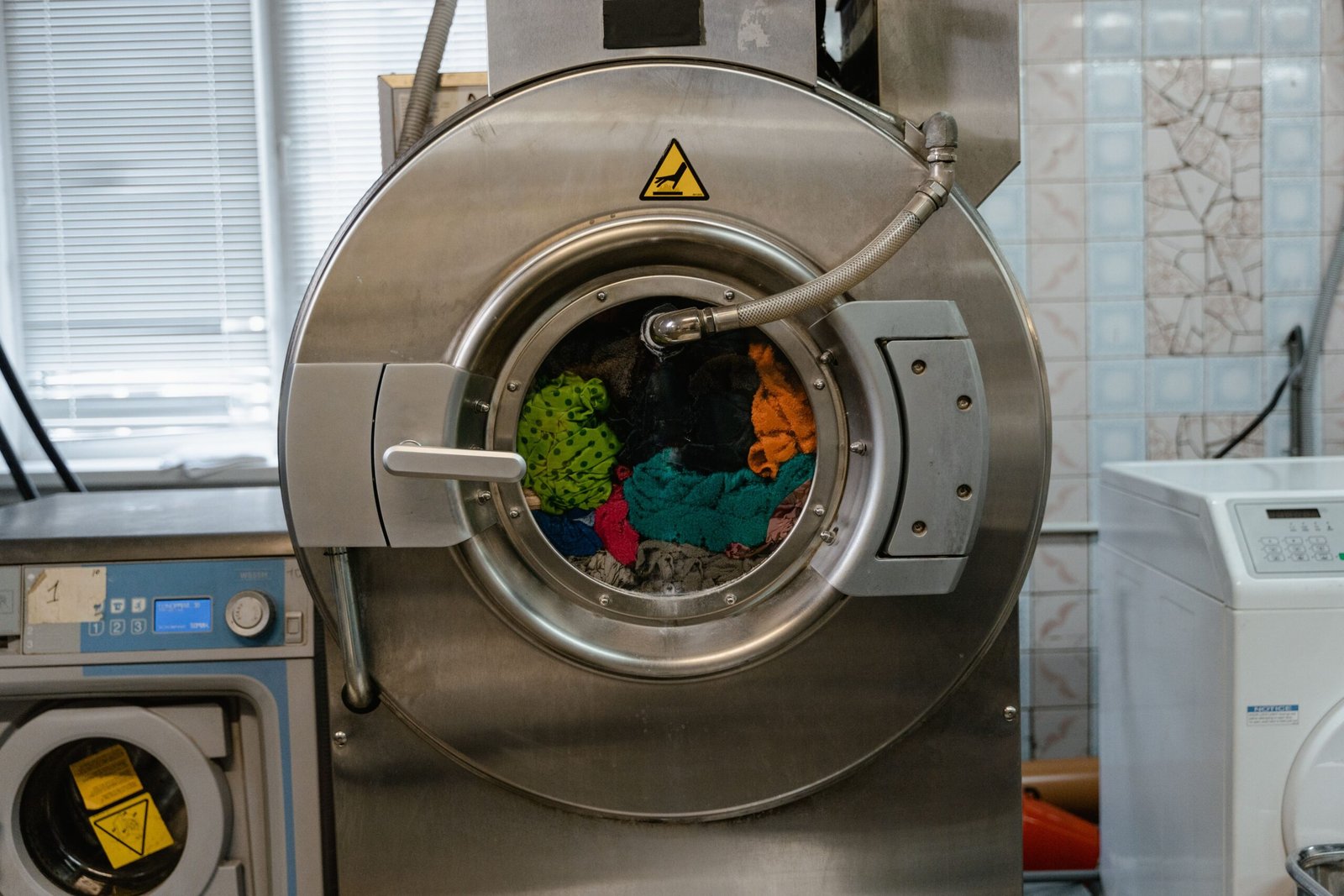
Targeted cleaning of the ducts serving commercial tumble dryers, where lint builds up fastest.
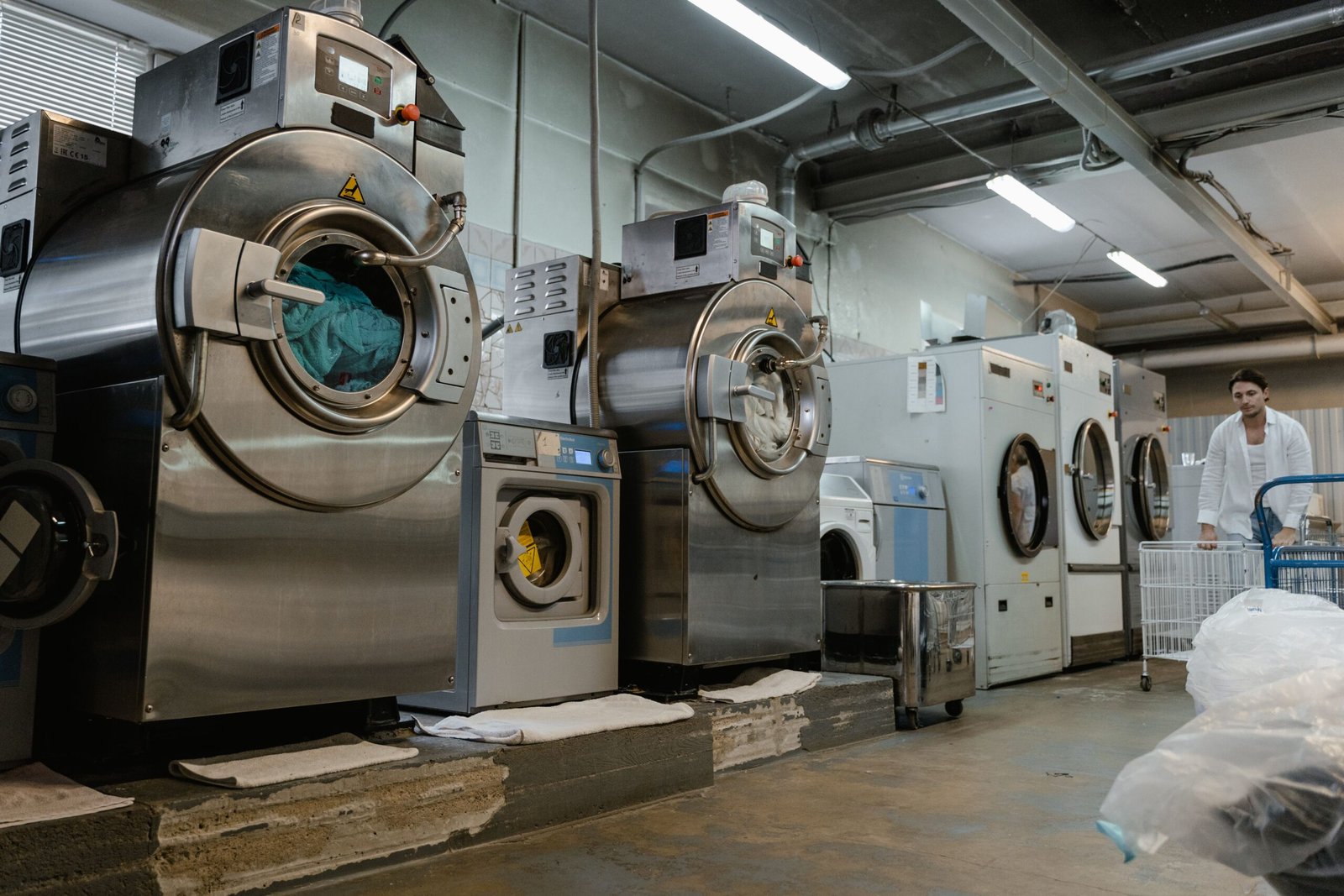
Cleaning of fans, access points and external terminations, plus inspection and written reporting.
Lint is easy to forget because it collects where nobody looks. A fire that reaches a lint-filled duct can spread quickly.
General information only, not legal advice. Speak to your insurer and a qualified fire safety adviser.
In England and Wales, the Regulatory Reform (Fire Safety) Order 2005 requires the responsible person to assess and manage fire risk. Dryer exhaust ductwork is a risk worth including in your fire risk assessment.
Many insurers expect laundry equipment and ductwork to be kept clean and maintained. Check what your policy requires.
A written report with photographs and test results helps you show that your ductwork is inspected, cleaned and tested.
There is no single answer. The right frequency depends on how many dryers you run, how long they run for and the condition of your ductwork. We will advise on a schedule that suits your premises.
Heavily used commercial dryers collect lint faster and need cleaning more often.
Long, bendy or poorly sloped duct runs trap more lint than short, straight ones.
Your fire risk assessment and inspection findings help set a sensible cleaning interval.
General guidance only. Follow the dryer manufacturer's instructions and your fire risk assessment.
Technical cleaning is all we do.
Every job comes with photographs and reports.
Combine with AHU and duct cleaning, air vent cleaning and fire damper inspection.
Clear advice on what is required, what is guidance and what is best practice.
Straight answers on tumble dryer duct cleaning, lint and fire safety.
Laundry extraction ductwork cleaning is the professional inspection, cleaning and testing of the exhaust ducts, fans and terminations that serve tumble dryers, removing flammable lint and debris to reduce fire risk and restore airflow.
Lint is flammable and builds up inside ducts over time. It can ignite when it comes into contact with heat, and a fire in a lint-filled duct can spread quickly through the system.
It depends on how many dryers you run, how long they run for, the duct design and your fire risk assessment. We will advise on a schedule that suits your premises.
Common signs include longer drying times, hot dryers and laundry rooms, lint around the duct or exhaust outlet, a burning or musty smell and weak airflow from the exhaust.
There is no single rule just for dryer ducts, but in England and Wales the Regulatory Reform (Fire Safety) Order 2005 requires the responsible person to manage fire risk, and many insurers expect ductwork to be kept clean. Speak to a qualified adviser about your own obligations.
We inspect the system before cleaning and record its condition, then carry out post-clean checks, including visual inspection and, where appropriate, an airflow check. See our step-by-step process above.
You receive before and after photographs, inspection and test results, notes on anything we could not reach and advice on how often to clean.
No. Laundry extraction ductwork deals with lint from tumble dryers, while kitchen extract cleaning deals with grease from cooking. Both are fire risks, and we clean both.
We agree the timing and scope with you in advance and plan the work around your operating hours to keep disruption as low as possible.
Complete the online quote form on this page or call 02475103197 with a short description of your premises. We support customers across the UK, and our team will advise on the approach and the next step.
Speak to our team and get clear advice on the next step.

Specialist cleaning and compliance services for homes and commercial properties across the UK.