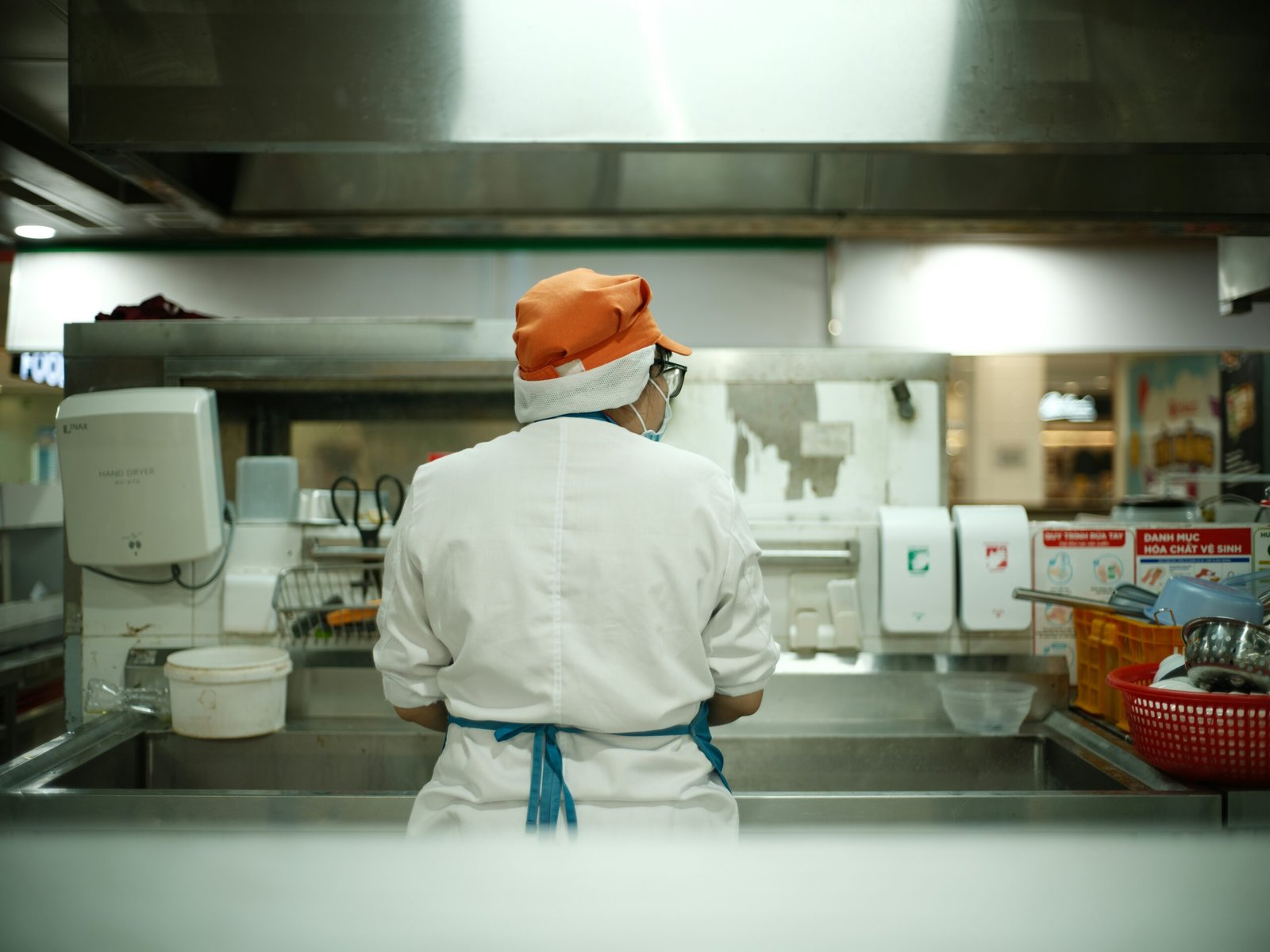
TR19 compliance inspection and cleaning
Inspection and cleaning of your extract system in line with TR19 guidance.
TR19 kitchen extract cleaning and commercial kitchen extract cleaning for restaurants, takeaways, hotels and canteens across the UK. Remove dangerous grease, cut fire risk and protect your insurance position.
Every time you cook, grease travels into your canopy, filters and extract ductwork. Left alone, it builds up into a serious fire risk that can threaten your people, your premises and your insurance cover.
ExtractAssure provides professional TR19 compliance services across the UK. We inspect and clean kitchen extract systems in line with TR19 guidance, so your kitchen is safer and you can show insurers, landlords and inspectors that you take the risk seriously. Pair it with kitchen deep cleaning and air vent cleaning for complete protection. Call us or request an online quote.
TR19 compliance means keeping a commercial kitchen extract system clean in line with TR19, the industry guide to good practice for grease extract cleanliness, so that dangerous grease build-up does not become a fire hazard.
Tell us about your kitchen and get clear advice on the next step.
TR19 is the industry guide to good practice for keeping ventilation systems clean. Its grease section covers commercial kitchen extract systems. Any business with a commercial kitchen extract system should be following it.
As a guide, TR19 links cleaning frequency to how heavily the kitchen is used. Please confirm the exact schedule for your kitchen with our team, as it depends on your cooking and operating hours.
Around 12 to 16 hours a day. Roughly every 3 months.
Around 6 to 12 hours a day. Roughly every 6 months.
Around 2 to 6 hours a day. Roughly every 12 months.
Clean extract systems protect your people, your premises and your reputation.
Removing grease takes away the fuel that lets a kitchen fire spread through ductwork.
Many insurers expect extract systems to be cleaned in line with TR19.
A clean system reduces grease and odours in the kitchen environment.
Clean ducts and filters help the system move air as designed.
Show landlords, insurers and inspectors you manage the risk.
Know the hidden parts of your kitchen are being looked after.
Grease in an extract system is easy to forget because it is out of sight. A fire that reaches the ductwork can spread quickly through a building.
General information only. Speak to your insurer and a qualified adviser about your obligations.
TR19 is industry guidance rather than a law in itself, but fire safety law requires you to manage fire risks, and grease in extract systems is a well-known one.
Many insurers, landlords and inspectors expect kitchen extract systems to be cleaned in line with TR19. Check your policy for what it requires.
Regular, professional cleaning reduces the chance of a serious fire and the disruption and cost that follow.
Specialist inspection and cleaning for the whole extract system.
Inspection and cleaning of your extract system in line with TR19 guidance.

Removal of grease build-up from extract ductwork that daily cleaning cannot reach.

Commercial kitchen extract cleaning for canopies, filters and accessible components.
We agree the scope with you after your first call, based on your kitchen and extract system.
A clear, structured process designed to cause as little disruption as possible.
We agree the scope and timing that suit your kitchen.
We inspect the extract system and assess grease build-up.
Canopy, filters and ductwork are cleaned to remove grease.
The area is left clean and the work is checked.
We explain how often to clean and how to stay compliant.
General guidance only. Follow your fire risk assessment and insurer requirements.
Trained cleaners who understand commercial extract systems.
Scope and timing agreed around how your kitchen operates.
Combine with kitchen deep cleaning and air vent cleaning.
Straight answers and a clear next step from the first call.
Tell us about your kitchen, how many hours a day you cook and what your extract system looks like. Our team will come back with clear advice on the next step.
Prefer to talk? Call 024 7510 3197
Straight answers on TR19, kitchen extract cleaning and what your business needs.
TR19 compliance means keeping a commercial kitchen extract system clean in line with TR19, the industry guide to good practice for grease extract cleanliness, so that dangerous grease build-up does not become a fire hazard.
Any business with a commercial kitchen extract system should follow TR19 guidance. That includes restaurants, takeaways, hotels, pubs, schools, care homes and staff canteens.
As a guide, TR19 links frequency to how heavily the kitchen is used: roughly every 3 months for heavy use, every 6 months for moderate use and every 12 months for light use. Confirm the exact schedule for your kitchen with our team.
TR19 is industry guidance rather than a law in itself. However, fire safety law requires you to manage fire risks, and many insurers, landlords and inspectors expect extract systems to be cleaned in line with TR19. Check your insurance policy.
It covers inspection and cleaning of the extract system, including canopies, filters and ductwork, to remove grease build-up. We agree the exact scope with you after your first call.
Grease is flammable. If a fire reaches built-up grease in ductwork, it can spread quickly through the system and into other parts of the building.
No. A kitchen deep clean covers the kitchen itself, while TR19 extract cleaning covers canopies and ductwork. Many commercial kitchens need both, and we also offer air vent cleaning.
We agree the timing and scope with you in advance and plan the work to keep disruption as low as possible.
We support customers across the UK, although availability can vary by location. Request an online quote or call 024 7510 3197 and we will confirm availability in your area.
Complete the online quote form on this page or call 024 7510 3197 with a short description of your kitchen. Our team will advise on the approach and the next step.
Speak to our team and get clear advice on the next step.
Specialist cleaning and compliance services for homes and commercial properties across the UK.